Photos from the sensor
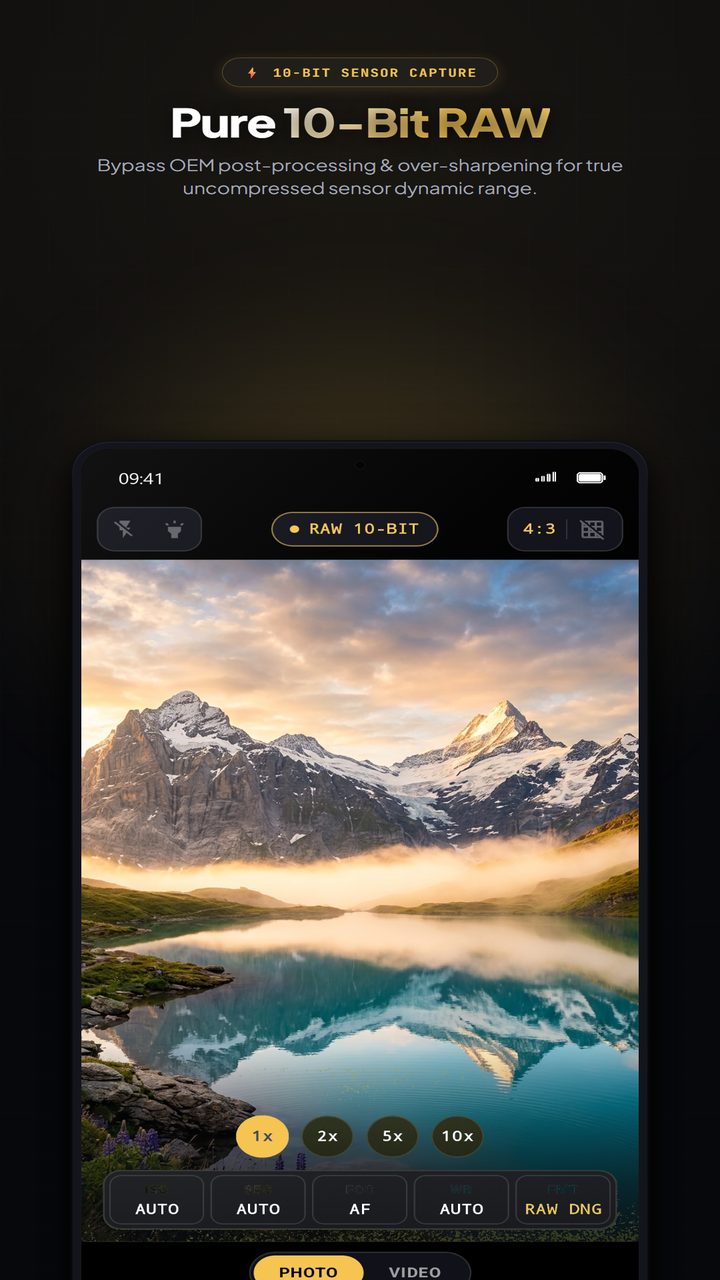
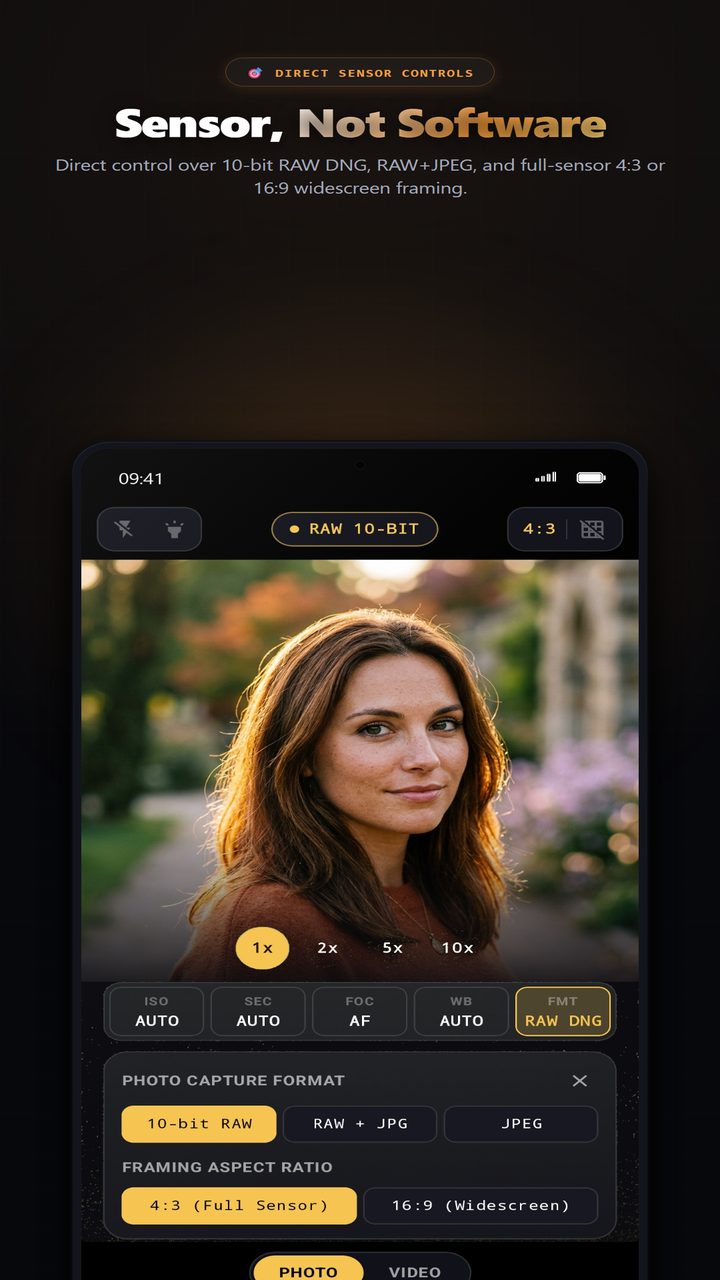
RAW DNG, DNG+JPEG, or JPEG per shot. Full-sensor 4:3 or 16:9, labelled with the real resolution. No RAW on this camera? F64 falls back to a low-processing JPEG with noise reduction and sharpening off.
Manual camera for Android
The sensor, not the software.
RAW DNG stills. Cinema Log and HLG video. Full manual ISO, shutter, focus, Kelvin. Named for the photographers who wanted the lens, not the retoucher.

Free · Android 10+ · Gallery may show ads
The stock app hides it behind beauty filters, extra sharpening, and HDR the sensor never asked for. F64 talks to the hardware through Camera2 so you get the raw file, the real exposure, and cinema-style video — then you decide.
RAW DNG, DNG+JPEG, or JPEG per shot. Full-sensor 4:3 or 16:9, labelled with the real resolution. No RAW on this camera? F64 falls back to a low-processing JPEG with noise reduction and sharpening off.
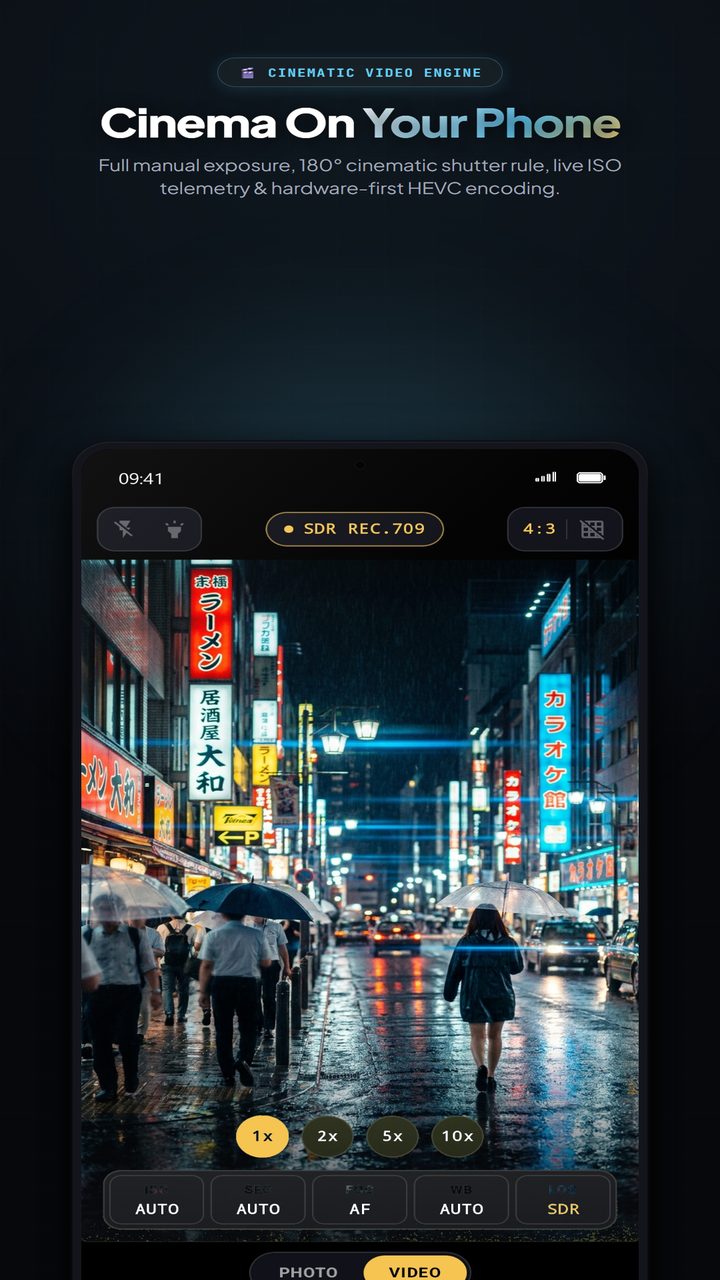
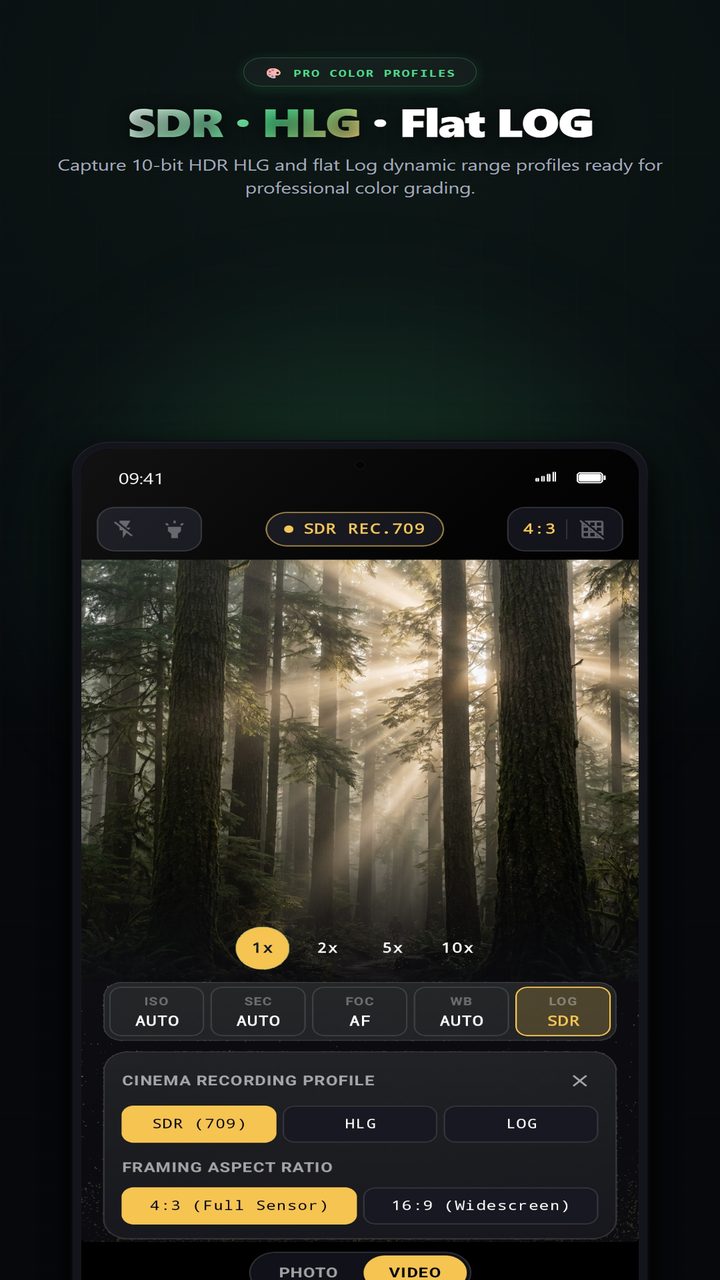
The same ISO, shutter, focus, and white balance for video. Profiles: standard SDR, HLG HDR, and an S-Log3-style log curve where the encoder allows it. 24 / 25 / 30 / 60 fps — the REC bar shows the rate the file actually has.
Manual ISO and shutter. Tap-to-focus or a focus distance slider. White balance presets plus Kelvin. Flash, torch, grid, zoom dial, front and back. What you set is what the request sends.
Auto stills meter the scene and keep shutter inside a gyro-measured blur budget. Handheld night shots take controlled grain instead of smear. No beauty filter. No extra sharpening.
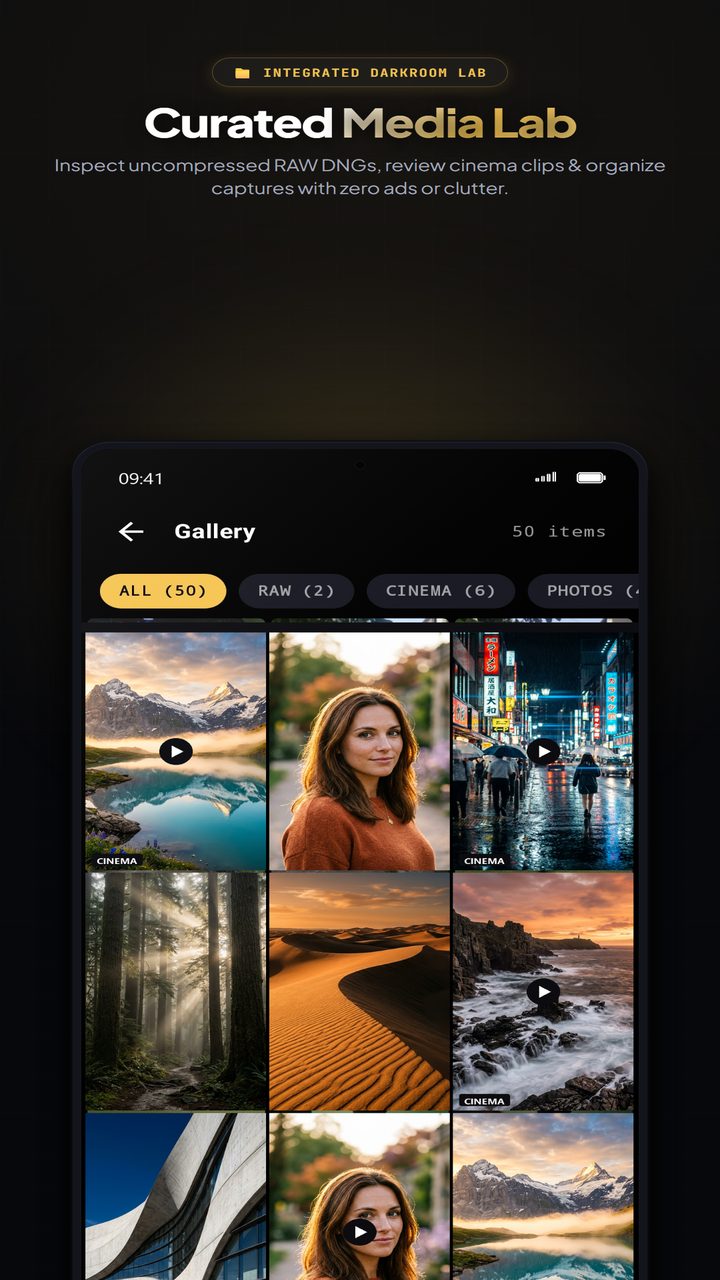
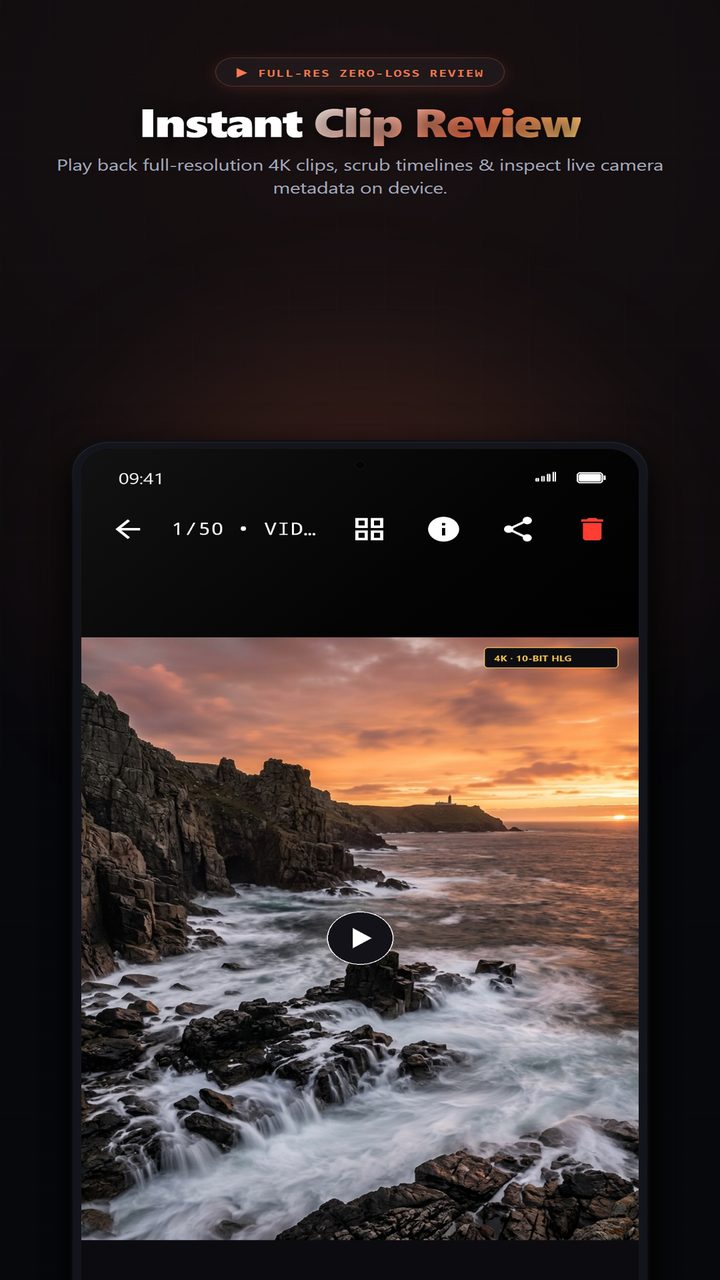
Yes, as DNG from Camera2 RAW_SENSOR when that camera advertises it. Many flagships and mid-range phones do; many budget phones do not. F64 checks at runtime and falls back instead of crashing.
No. Blackmagic Camera is excellent and limited to those brands. F64 is built for the rest of the Android fleet — Realme, Xiaomi, OnePlus, Nothing, Motorola, and anything else on Android 10+ with a Camera2 HAL.
Photos land in DCIM/F64, videos in Movies/F64. No account. Nothing is uploaded by the app.
The app is free. The in-app gallery may show ads. Capture itself is not an ad surface.
f/64 is the small aperture that Group f/64 used as a manifesto: sharp, unmanipulated photographs. The app is named for that idea, not affiliated with the historical group.
Free on Google Play. Android 10 or newer.